
 See Our Latest Article on HelloNation

How Does Chiropractic Care Help With Pain?
Chiropractic care uses hands-on adjustments and other techniques to support spinal health and overall comfort. For many residents managing discomfort from injuries, posture problems, or everyday strain, chiropractic approaches are a recognized method for addressing pain—especially in areas like the back, neck, and joints. While not a cure for every issue, it appeals to those seeking drug-free or noninvasive options.
What Types of Pain Can Chiropractic Adjustments Address?
People often receive chiropractic care to help with:
- Lower back pain, a common issue among adults, especially those with sedentary routines or repetitive strain
- Neck pain, sometimes related to poor desk ergonomics or long periods spent driving
- Headaches, particularly tension headaches and some types of migraines
- Joint pain, such as discomfort in shoulders, knees, or hips
Adjustments target the central nervous system and structures affecting movement. When joints or spine segments aren’t moving optimally, it can contribute to ongoing discomfort or stiffness. Local patients, especially those with typical household routines in suburban environments, may notice flare-ups after gardening, home maintenance, or shoveling snow.
What Happens During a Typical Chiropractic Visit?
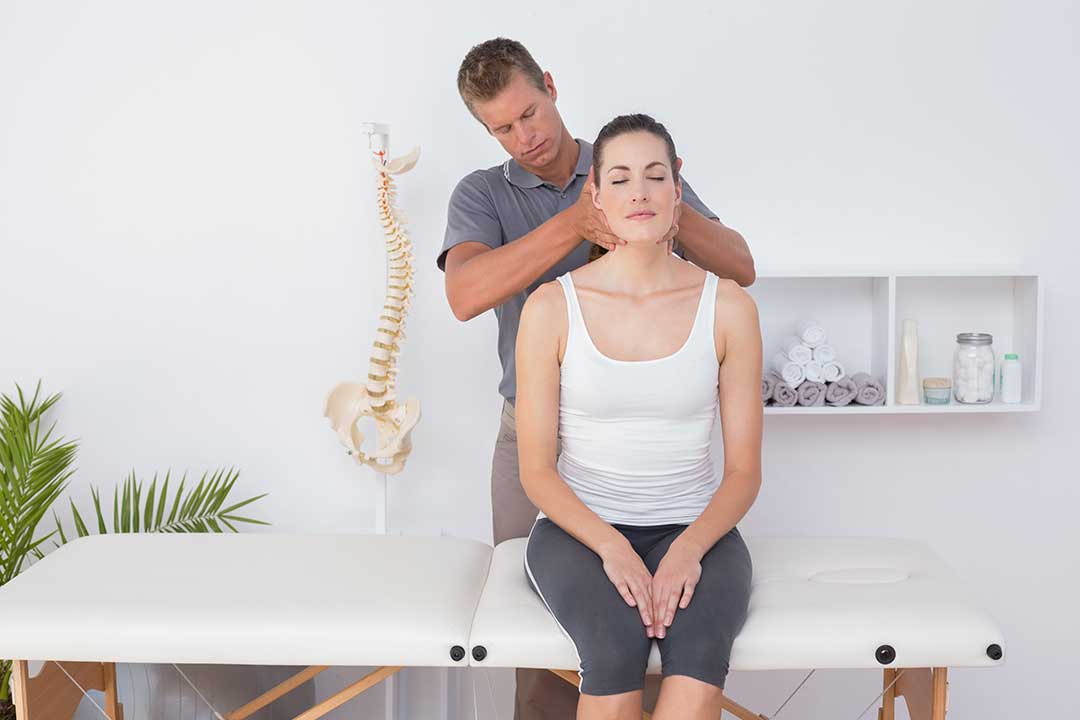
A chiropractic visit usually starts with a review of symptoms, health history, and a brief physical exam. The chiropractor looks at alignment, range of motion, and pain points. If an adjustment is needed, the provider uses their hands, or in some cases special instruments, to apply controlled force to specific joints.
Most techniques involve gentle, quick movements. The goal is to improve joint function and reduce tension on surrounding tissues. Some sessions include muscle stretching, soft tissue work, or basic lifestyle guidance for managing pain at home.
Is Chiropractic Care Safe?
For most healthy adults and teens, spinal adjustments carry low risk and are considered safe when performed by trained professionals. Some individuals might feel mild soreness afterward, similar to post-exercise discomfort, but serious side effects are uncommon.
Chiropractic care is not recommended as a primary approach for certain conditions, such as fractures, severe osteoporosis, or advanced joint disease. Always share your full health history before starting a new treatment, especially if you have underlying conditions like blood-thinning disorders or inflammatory diseases.
When Can Chiropractic Help Compared to Other Approaches?
Chiropractic care is not a replacement for medical treatment. Instead, it can be an option for:
- Managing pain that hasn’t improved with rest, stretching, or heat/ice
- Supporting recovery from minor injuries like muscle strains
- Reducing reliance on pain medications for routine musculoskeletal discomfort
Some residents may use chiropractic alongside physical therapy, massage, or regular medical checkups. It’s particularly common in communities like Scarsdale, where access to a range of wellness resources means households can try several supportive options based on preference.
What Are Common Myths About Chiropractic Pain Management?
Understanding facts versus misconceptions can help local residents make more informed choices:
- "Chiropractic is only for back pain."
While spinal health is central, chiropractors often address pain in extremities, tension headaches, and muscle issues.
- "Adjustments always hurt."
Most people do not find adjustments painful. There may be a brief moment of mild pressure, but providers aim for comfort.
- "It’s not evidence-based."
A substantial body of peer-reviewed studies supports chiropractic care’s safety and effectiveness for specific musculoskeletal pain, particularly low back pain.
Are There Practical At-Home Strategies That Complement Chiropractic Care?
Pain management involves daily habits. Residents using chiropractic care often benefit when combining it with:
- Regular stretching tailored to work or activity habits
- Ergonomic tweaks at home offices or workstations
- Responses to weather—such as safe snow shoveling form during winter or posture-friendly gardening in spring
Staying physically active within comfort limits and following basic wellness practices can enhance the effects of adjustments.
How Do Local Lifestyles Influence Pain Patterns and Chiropractic Use?
In areas like Scarsdale, lifestyles often involve a mix of office-based work, household chores, and recreational activities. Seasonal factors—increased outdoor activity during warmer months and more time indoors in winter—can lead to unique strain patterns. Commuting, school routines, and home maintenance can also introduce or worsen musculoskeletal aches.
For this reason, chiropractic care appeals to those noticing pain related to repetitive tasks, posture changes, or local seasonal activities. Residents often gravitate toward methods that fit their active, family-oriented routines and ongoing wellness goals.
