
 See Our Latest Article on HelloNation
What Is Scoliosis and Who Does It Affect in Scarsdale, NY?
Scoliosis refers to an abnormal sideways curvature of the spine. It can develop at almost any age, but most often appears in children and adolescents—especially during periods of rapid growth. In the context of Scarsdale, NY, many parents first notice scoliosis in their children during routine school screenings or pediatric checkups. Adults in the area may also be diagnosed following back pain, posture changes, or after injuries.
While mild cases are common and often require only observation, more significant curves can cause discomfort, changes in appearance, reduced mobility, and in rare situations, affect heart and lung function. Given the active lifestyles and diverse age range of residents, scoliosis management is a relevant concern for many local households.
Are There Different Types of Scoliosis?
Yes. Most commonly, scoliosis is classified by cause:
- Idiopathic scoliosis: By far the most common, especially in youth, with no known cause.
- Congenital scoliosis: Caused by issues in spinal development before birth, typically discovered early in life.
- Neuromuscular scoliosis: Associated with conditions like cerebral palsy or muscular dystrophy.
- Degenerative (adult-onset) scoliosis: This type develops later and is often seen alongside age-related spine changes.
Awareness of these types helps local residents and caregivers better understand why management approaches may differ depending on individual circumstances.
How Is Scoliosis Typically Managed or Treated?
Treatment depends largely on curve severity, age, symptoms, and risk of progression. Many area residents encounter the following approaches:
- Observation: Mild cases, especially in growing children, are usually monitored for changes with regular checkups.
- Bracing: For children and teens with moderate curves who are still growing, custom back braces can slow curve progression.
- Physical Therapy: Exercise programs are sometimes recommended to support strength, mobility, and posture.
- Surgery: Considered in severe or worsening cases, surgery may be needed if the curve is large or causing problems.
No single approach fits everyone. Many local families supplement primary recommendations with supportive approaches, such as chiropractic care, to address symptoms or maintain mobility.
Can Chiropractic Play a Role in Scoliosis Management?
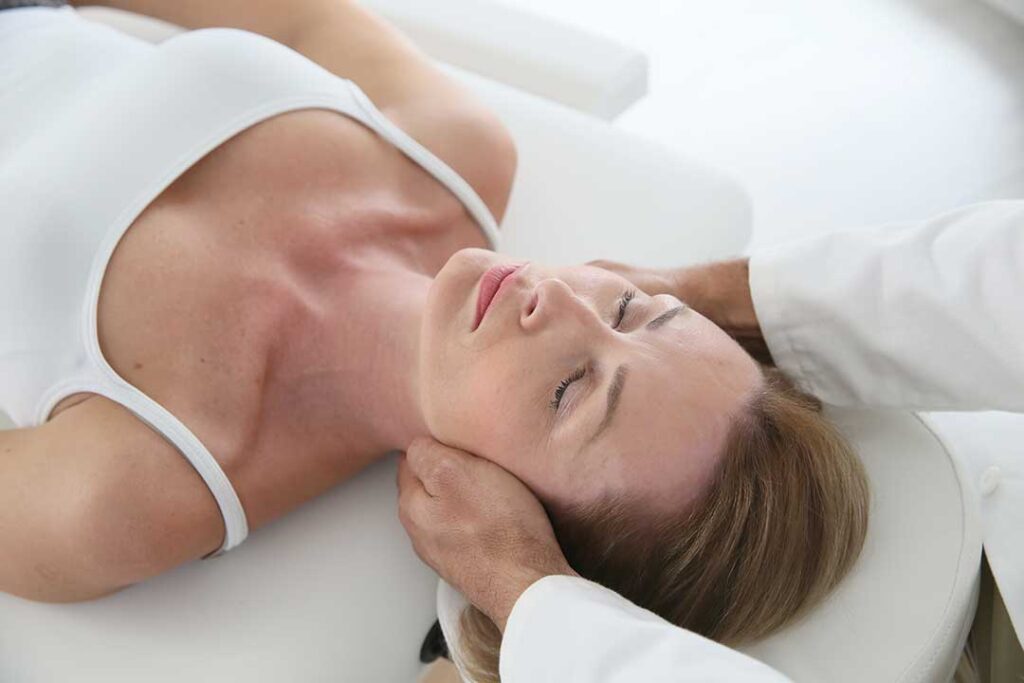
Chiropractic care is sometimes used as a complementary option for people with scoliosis. This typically involves gentle, hands-on techniques aimed at improving mobility, reducing discomfort, and supporting function. In Scarsdale, those who integrate chiropractic into their scoliosis care often seek support for:
- Back or neck pain
- Limited mobility or stiffness
- Discomfort from bracing or altered spinal function
While research does not show that chiropractic adjustments can "cure" or dramatically reverse spinal curvature, some individuals report relief from certain symptoms. Chiropractors may also suggest exercises, posture advice, or lifestyle modifications tailored to the individual's activity level—practical for the busy routines common in the city.
What Common Misconceptions Exist About Chiropractic and Scoliosis?
There are several widely-circulated misunderstandings:
- Chiropractic adjustments don’t straighten the curve itself. Scoliosis involves both bone structure and soft tissue changes over time. Chiropractic care may aid comfort or movement but should not be viewed as a means to physically realign a scoliotic spine.
- It’s not a replacement for monitoring or medical interventions. Regular imaging and expert assessment remain necessary, particularly for adolescents whose curves can progress quickly during growth spurts.
- Benefits are often related to symptom relief. Most studies suggest improvements in pain, flexibility, and quality of life, rather than spine shape correction.
In summary, chiropractic is best considered as a supportive measure alongside medical guidance.
What Does a Chiropractic Visit Look Like for Scoliosis?
For local residents considering this route, a typical session may include:
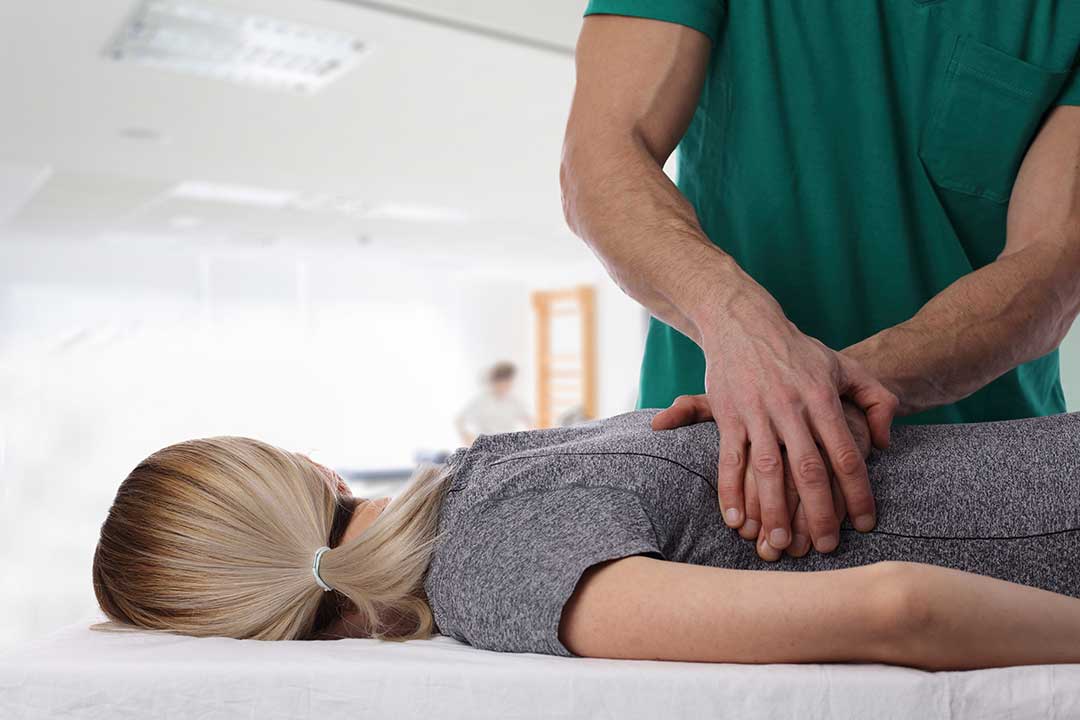
- A review of symptoms and relevant health history
- Basic posture and mobility evaluations
- Gentle spinal or soft tissue techniques designed for comfort
- Suggestions for gentle stretching or strengthening exercises that can be done at home
Children and teens with scoliosis are often managed carefully to avoid aggressive adjustments or techniques that could impact growth. Providers may coordinate their recommendations with pediatricians or specialists monitoring the spine. For active adults in Scarsdale, exercises can be tailored to fit the demands of work, sports, or home activities, helping maintain daily function.
What Should Scarsdale Residents Know Before Pursuing Chiropractic for Scoliosis?
A few things to keep in mind:
- Chiropractic is not a substitute for appropriate medical care, especially for progressing or severe cases.
- It can be part of a broader wellness approach, primarily focused on symptom relief and daily function.
- Communication (with all involved healthcare providers) is crucial, so everyone involved understands the plan of care.
- Not all practitioners use the same techniques; approaches may differ based on age, curve severity, and individual needs.
Understanding expectations and intended outcomes can help households make informed, comfortable decisions.
Are There Practical Tips for Living Well With Scoliosis in the Community?
Yes. Some ideas that resonate with local families and individuals:
- Stay active with low-impact exercises that feel good on your body—walking the local trails or gentle yoga are popular.
- Monitor changes in symptoms or function, especially during growth phases or as activity levels fluctuate with local seasonal changes.
- Create an ergonomic home and work environment; good chair support and standing breaks help reduce discomfort.
- Seek local resources, such as school screenings or area support groups, especially if social or emotional support becomes important.
By combining medical guidance, self-care, and supportive approaches like chiropractic, many in the community live comfortably and engage fully in daily life, even with a scoliosis diagnosis.
