
 See Our Latest Article on HelloNation
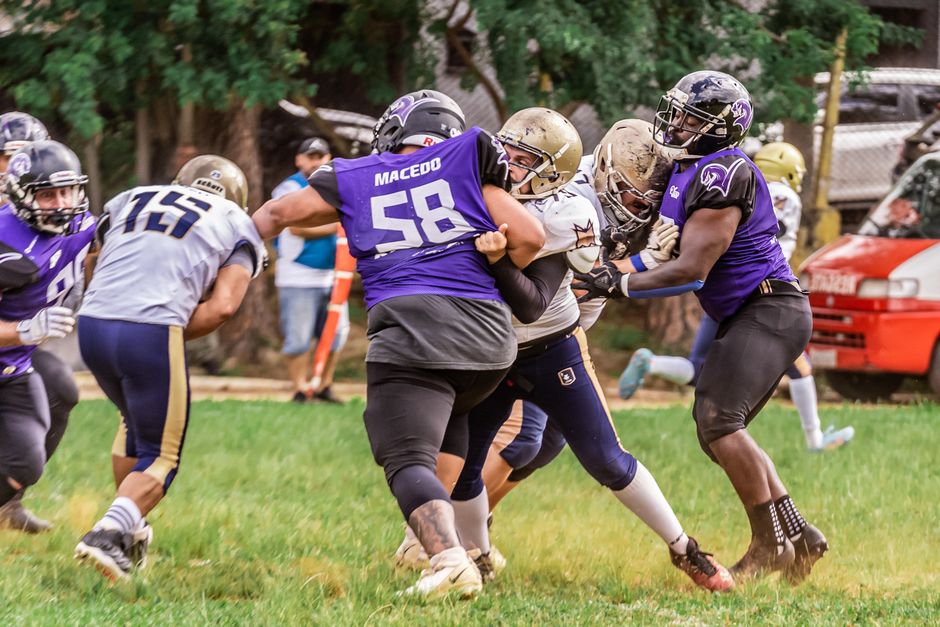
Sports concussions cannot always be prevented, but many can be reduced through safer coaching, appropriate equipment, rule enforcement, and quick action after a suspected head injury. For families in Scarsdale, these strategies apply across school athletics, community recreation, backyard play, seasonal sports, and informal games.
A concussion is a type of mild traumatic brain injury caused by a blow, bump, or jolt that makes the brain move rapidly inside the skull. The impact may be to the head, but a forceful hit to the body can also cause one. A player does not need to lose consciousness to have a concussion.
Which sports carry the greatest concussion risk?
Contact and collision sports generally create more opportunities for head impacts, but concussions can occur in nearly any activity. Football, ice hockey, lacrosse, soccer, basketball, wrestling, baseball, softball, cheerleading, gymnastics, cycling, and skiing all require thoughtful safety practices.
Risk also changes with age, skill level, playing surface, weather, and the way practices are organized. A poorly maintained field, wet outdoor surface, icy conditions, crowded sidelines, or fatigue late in a game may increase the chance of a fall or collision.
The goal is not to eliminate normal athletic challenge. It is to reduce avoidable impacts and create an environment where athletes are expected to protect themselves and teammates.
How can coaches reduce concussion risk during practices and games?
Coaching decisions have a major effect on the number and severity of head impacts. Safer programs typically:
- Teach proper technique before introducing full-speed contact.
- Limit unnecessary contact drills, especially when athletes are tired.
- Enforce rules against checking, spearing, illegal tackles, pushing from behind, and dangerous play.
- Use age-appropriate equipment and field dimensions.
- Build in water breaks, rest periods, and weather-related adjustments.
- Require athletes to report symptoms without fear of losing playing time.
- Make sure coaches, officials, and volunteers know the signs of concussion and the removal process.
Practices should not be treated as a place where repeated hard hits are simply part of conditioning. Skill development, controlled drills, and noncontact alternatives can help athletes improve without adding avoidable head impacts.
For younger athletes, instruction should emphasize body positioning, balance, awareness of nearby players, and safe falling techniques. In sports involving heading, checking, or tackling, coaches should follow current age-based rules and limit high-risk activities that are not necessary for learning.
Do helmets and mouthguards prevent concussions?
Protective equipment can reduce the risk of skull fractures, facial injuries, dental trauma, and some other injuries, but no helmet or mouthguard can prevent every concussion. Equipment must fit correctly, be appropriate for the sport, and be kept in good condition.
A helmet that shifts, sits too high, has damaged padding, or has an unsecured chin strap may not provide the intended protection. Parents should follow the manufacturer’s fitting instructions and the sport’s equipment requirements. Replacing damaged equipment is safer than continuing to use it after a significant impact or visible deterioration.
Mouthguards are especially useful for protecting teeth and oral structures. They may help reduce certain injuries, but they should not create a false sense of security or encourage more aggressive play.
What can athletes do to protect themselves and others?
Athletes can lower risk by treating safety as part of performance rather than as an obstacle. Practical habits include:
- Keep the head up and scan for other players before changing direction.
- Avoid leading with the head during contact.
- Follow rules even during informal games.
- Speak up when equipment does not fit or a playing surface is unsafe.
- Take breaks when overheated, exhausted, dizzy, or unfocused.
- Report a hit, fall, or unusual symptom immediately.
- Never pressure a teammate to “shake it off” after a hard impact.
A player who feels embarrassed, worried about disappointing teammates, or afraid of losing a position may hide symptoms. Coaches and parents can reduce that pressure by making clear that reporting a possible concussion is a responsible decision.
What should parents check before the season begins?
Families can ask several straightforward questions before registering a child for a sport:
- Has the coach completed concussion education?
- Is there a written plan for removing an athlete from play?
- Who evaluates a player after a suspected concussion?
- How are weather, heat, ice, and field conditions monitored?
- How often are contact drills used?
- Are emergency contacts and medical information readily available?
- What is the policy for returning to school, practice, and competition?
For households in Scarsdale, seasonal conditions deserve attention. Early spring fields may be muddy or uneven, winter activities may involve ice and reduced visibility, and summer heat can contribute to fatigue and slower reactions. Checking the playing area before practice is a simple step that can prevent falls and collisions.
How can a possible concussion be recognized quickly?
Symptoms may appear immediately or develop over several hours. Common signs include headache, dizziness, nausea, balance problems, blurred vision, sensitivity to light or noise, unusual fatigue, confusion, slowed responses, memory problems, irritability, or difficulty concentrating.
An athlete may also appear different to others before recognizing anything is wrong. A coach or parent may notice that the player is moving awkwardly, repeating questions, forgetting instructions, or behaving unusually.
A suspected concussion requires removal from play that day. The athlete should not return simply because symptoms improve after a short rest. Returning too soon can increase the risk of another injury and may prolong recovery.
Emergency evaluation is needed for worsening or severe headache, repeated vomiting, seizure, increasing confusion, unusual drowsiness, weakness or numbness, slurred speech, unequal pupils, loss of consciousness, or difficulty recognizing people or places.
What does a safe return to sports involve?
Return to sports should be gradual and guided by a qualified healthcare provider. The athlete first needs adequate recovery and the ability to manage regular daily activities. Progression commonly begins with light, symptom-limited activity and advances through more demanding exercise, sport-specific movement, noncontact practice, full practice, and finally competition.
Each stage should be completed without a meaningful increase in symptoms before moving forward. If symptoms return, activity should be reduced and the next step delayed. A chiropractor may contribute to care when appropriate, particularly for musculoskeletal concerns, but concussion assessment, neurological monitoring, and sports clearance should be coordinated with a healthcare provider qualified to manage brain injuries.
Returning to school is also part of recovery. Temporary adjustments such as rest breaks, reduced screen exposure, extra time, or a lighter workload may be helpful. Most young athletes can resume school activities relatively early, but academic and athletic demands should be adjusted to the individual’s symptoms.
Which prevention message matters most?
The most reliable protection comes from combining several measures: skilled coaching, rule enforcement, suitable equipment, safe practice design, honest symptom reporting, and a disciplined return-to-play process. No single product or technique can remove concussion risk.
For local families, prevention begins before the first competition—with questions about policies, field conditions, coaching practices, and emergency planning. A culture that values awareness and reporting helps athletes stay involved in sports while reducing preventable harm.
