
 See Our Latest Article on HelloNation

Referred pain can feel as though it comes from one part of the body even though the underlying problem starts somewhere else. A neck joint may contribute to pain in the shoulder or arm, while irritation in the lower back may be felt in the buttock or leg. Understanding this pattern can help local residents describe symptoms more accurately and avoid assuming that the most painful area is always the source.
What is referred pain?
Referred pain is discomfort perceived in an area that is different from the tissue or structure causing it. This happens because nerves from nearby or connected regions can send signals through overlapping pathways in the spinal cord and brain.
The result may be a confusing symptom pattern:
- A problem in the neck may be felt around the shoulder blade.
- Irritation in the upper back may feel like discomfort around the ribs or chest wall.
- A lower-back condition may produce aching in the buttock, hip area, or upper leg.
- A joint or muscle problem may cause pain nearby without producing true nerve damage.
Referred pain is not the same as radiating nerve pain. Radiating pain often follows a more recognizable path and may include burning, electric sensations, numbness, tingling, or weakness. Referred pain is more commonly dull, aching, tight, or difficult to pinpoint.
That distinction is useful, but symptoms do not always fit neatly into one category. A careful history and physical examination are needed to determine whether pain is coming from muscles, joints, nerves, internal organs, or more than one source.
Why can pain appear far from the problem?
The nervous system does not always identify the precise source of pain. Sensory signals from different structures may enter the spinal cord through similar nerve segments. The brain can then interpret the signal as coming from a more familiar or commonly used area.
For example, irritation in a spinal joint may be perceived in nearby muscles. A muscle that has been working continuously to protect a painful joint can then become tender itself. This creates a cycle in which the original problem and the secondary muscle tension are both contributing to symptoms.
Daily habits can make this pattern more noticeable. In Scarsdale, NY, seasonal snow removal, long periods of indoor sitting during colder weather, gardening, commuting, and recreational activities may all place extra demand on the neck, back, shoulders, or hips. These activities do not automatically cause injury, but a sudden change in workload can expose an existing movement or strength problem.
How is referred pain evaluated?
The first step is usually a detailed conversation about the symptom pattern. Useful information includes:
- Where the pain began and where it is felt now
- Whether the discomfort is aching, sharp, burning, or electric
- What movements, positions, or activities make it better or worse
- Whether there is numbness, tingling, weakness, fever, or unexplained weight loss
- Whether symptoms followed a fall, collision, lifting episode, or other injury
- Relevant medical conditions, medications, surgeries, and previous episodes
A physical examination may assess posture, walking, joint motion, muscle tenderness, strength, reflexes, sensation, and movements that reproduce or reduce symptoms. Imaging is not automatically necessary for every episode of back or neck pain. It may be considered when symptoms are severe, persistent, associated with neurological changes, or suggest a specific condition requiring further evaluation.
The goal is not simply to locate the sorest spot. It is to determine whether the pain pattern is consistent with a mechanical problem, nerve involvement, referred pain from a joint or muscle, or a condition outside the musculoskeletal system.
What role can chiropractic care play?
Chiropractic care may include education, activity guidance, exercise recommendations, soft-tissue techniques, joint mobilization, and spinal manipulation. The appropriate approach depends on the suspected source of pain, the person’s health history, and individual preferences.
Spinal manipulation is one option for some types of low-back pain and neck pain. Evidence reviewed by the National Center for Complementary and Integrative Health suggests that it may provide small improvements in pain or function for certain people, although the strength of evidence varies by condition. It is not a universal treatment and should not be presented as a way to correct every cause of referred pain. ([nccih.nih.gov](https://www.nccih.nih.gov/health/spinal-manipulation-what-you-need-to-know?utm_source=openai))
A reasonable care plan may focus on restoring comfortable movement and helping a person return gradually to normal activity. This can involve:
- Changing positions regularly instead of remaining in bed
- Practicing movements that do not sharply increase symptoms
- Improving strength and endurance in relevant muscle groups
- Adjusting lifting, workstation, sleep, or household routines
- Monitoring whether symptoms are improving, stable, or progressing
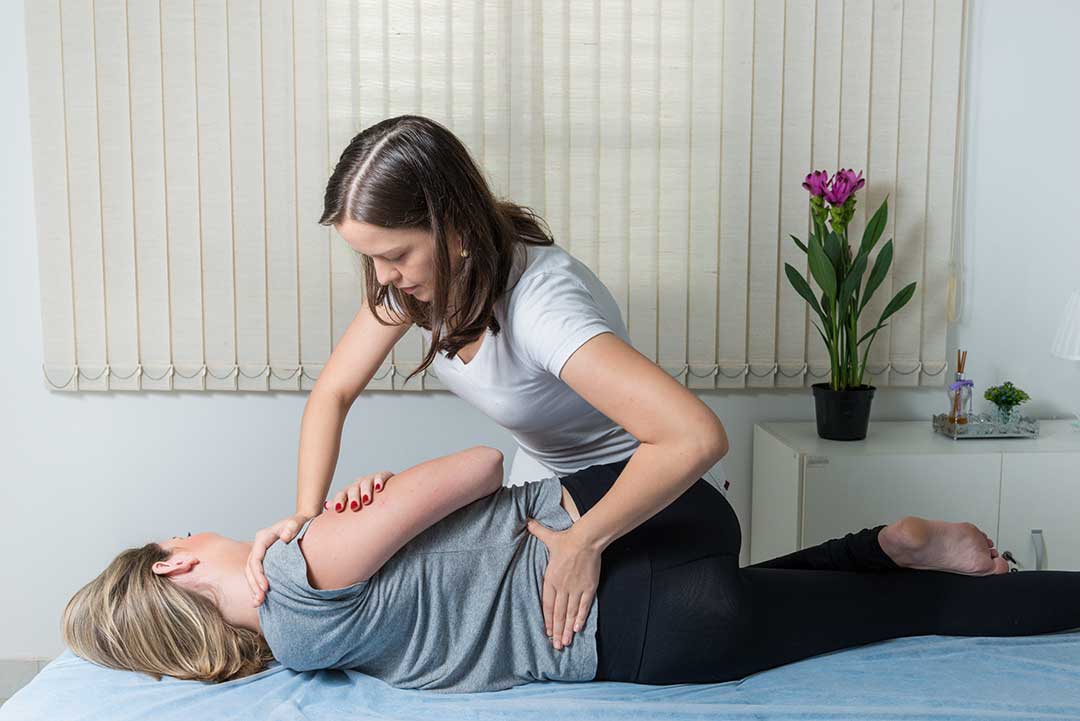
For some people, a hands-on technique is helpful. For others, exercise, medical evaluation, physical therapy, medication guidance, or a combination of approaches may be more appropriate. Good care should be based on the clinical findings rather than on a preset number of visits or a promise of a particular result.
Is chiropractic treatment safe for referred pain?
Most short-term side effects of spinal manipulation or mobilization are mild, such as temporary soreness, stiffness, headache, or increased discomfort. These effects commonly improve within a day. Serious complications are rare, but risks can be higher when a person has an underlying condition that affects bones, blood vessels, joints, or the nervous system. ([nccih.nih.gov](https://www.nccih.nih.gov/health/spinal-manipulation-what-you-need-to-know?utm_source=openai))
Neck manipulation deserves particular caution. Rare but serious vascular or neurological events have been reported, and the relationship between neck manipulation and cervical artery dissection remains difficult to determine. A thorough health history and informed discussion of risks and alternatives are important before any high-velocity neck technique is considered. ([nccih.nih.gov](https://www.nccih.nih.gov/health/spinal-manipulation-what-you-need-to-know?utm_source=openai))
A person should disclose conditions such as severe osteoporosis, recent trauma, inflammatory arthritis, cancer, infection, blood-clotting problems, significant vascular disease, or progressive neurological symptoms. These details can change whether manipulation is appropriate.
When might referred pain need medical attention?
Pain should receive prompt medical evaluation when it occurs with warning signs such as:
- New or worsening weakness in an arm or leg
- Loss of bladder or bowel control
- Numbness around the inner thighs or groin
- Fever, chills, or signs of infection
- Unexplained weight loss or a history of cancer
- Severe pain after a fall, crash, or other trauma
- Chest pressure, shortness of breath, sweating, or nausea
- A sudden severe headache, trouble speaking, facial drooping, or loss of balance
These symptoms may indicate a neurological, vascular, infectious, cardiac, or other medical problem rather than routine mechanical pain. They should not be managed solely with spinal manipulation.
What should a person track at home?
A brief symptom record can make evaluation more useful. Note the location, intensity, duration, aggravating activities, sleep impact, and any numbness or weakness. Also record whether walking, gentle movement, rest, heat, or a change in position affects the symptoms.
The most helpful question is often not “Where does it hurt?” but “What pattern does the pain follow, and what else happens with it?” That information can help distinguish referred pain from nerve-related symptoms and guide a safer, more appropriate plan.
