
 See Our Latest Article on HelloNation
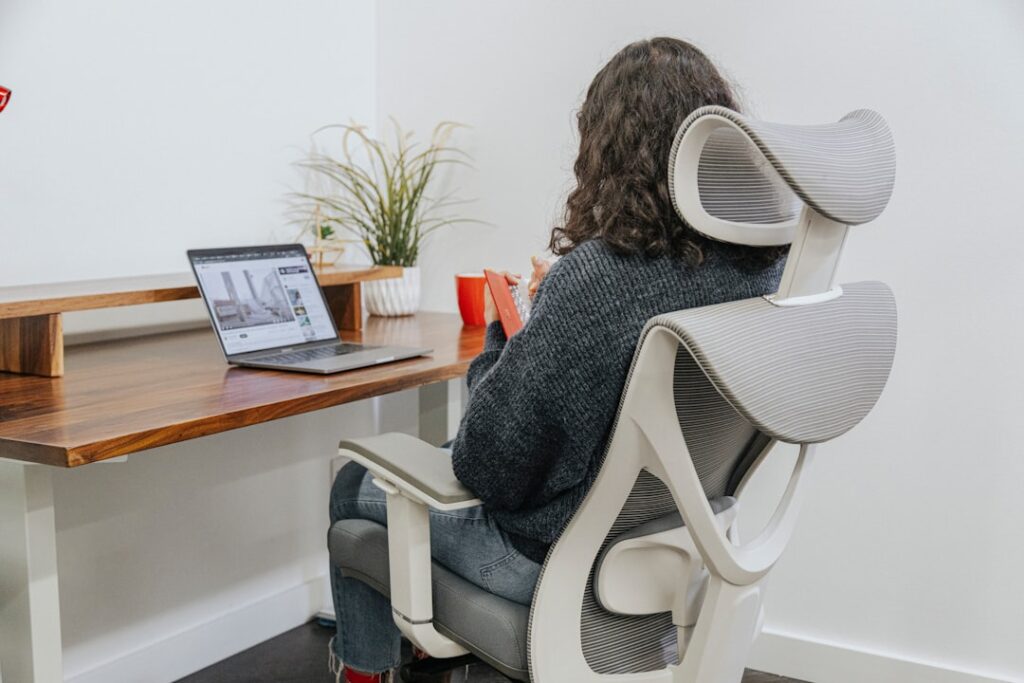
In the charming Westchester suburb of Scarsdale, New York, many residents enjoy the perks of working from home or commuting to corporate jobs in nearby White Plains or Manhattan. While the scenery in our tree-lined community is idyllic, long hours at a desk can lead to a host of injuries that often go unnoticed until pain or discomfort sets in. Recognizing and addressing desk job injuries early is key to long-term health and well-being.
Understanding Desk Job Injuries
Desk job injuries, commonly called musculoskeletal disorders (MSDs), occur from repetitive movement, poor posture, or staying in one position too long. These conditions are increasingly common among professionals who spend hours at a computer, whether in a home office in Fox Meadow or coworking space downtown.
Common desk job injuries include:
- Neck and shoulder tension
- Lower back pain
- Wrist and hand issues such as carpal tunnel syndrome
- Eye strain and headaches
Understanding what causes these problems is the first step toward addressing them.
Why Are Desk Job Injuries So Prevalent in Scarsdale?
The pace of life in Scarsdale is fast and achievement-oriented, with many residents juggling demanding careers, family obligations, and community activities. Commuting to NYC or working long hours from a home office can make it challenging to maintain healthy habits. It's easy to get caught up in Zoom calls or spreadsheets and forget to check your posture or take breaks.
Signs You May Have a Desk Job Injury
Prevention starts with awareness. Ask yourself:
- Do you feel stiff or sore after a typical workday?
- Are you experiencing frequent headaches or eye discomfort?
- Has your sleep or mood changed due to pain?
- Is there tingling or numbness in your hands or arms?
If you answer “yes” to any of the above, you could be experiencing the beginning of a desk job injury. Millions of Americans, including many in Scarsdale, ignore these early signs until more serious pain or dysfunction develops.
5 Steps for Addressing Desk Job Injuries
1. Ergonomic Workspace Evaluation
Whether you’re working in a historic Scarsdale Colonial or commuting to a high-rise, your workspace design matters:
- Adjust your chair so feet rest flat on the floor and knees are at hip level.
- Keep your screen at eye level to avoid neck strain.
- Ensure your wrists are in a neutral position when typing.
- If possible, use a standing desk or alternate between sitting and standing.
Small changes, such as an ergonomic chair, lumbar support cushion, or external keyboard, can make a big difference.
2. Movement Breaks: The 30/30 Rule
Locals are known for enjoying walks on the Bronx River Pathway—why not bring some of that movement to your workday? Science shows moving every 30 minutes reduces risk of injury. Set a timer to:
- Stand up and stretch
- Walk around the room
- Gently roll your shoulders
- Practice deep breathing
These quick breaks counteract the effects of prolonged sitting and boost focus.
3. Stretching Routines for Desk Workers
Spending your lunch break at Parkway Café? Use five minutes before or after to do simple stretches:
- Neck tilts—gently tilt head side to side
- Shoulder shrugs and rolls
- Upper back stretch—clasp hands and reach forward
- Seated spinal twist
Building these routines into your day helps prevent muscle tightness.
4. Listen to Your Body
Busy Scarsdale professionals often “push through” discomfort, but persistent pain is a sign that something needs attention. Don’t ignore:

Timely action—such as consulting a chiropractor or physical therapist—can prevent minor symptoms from escalating into chronic issues.
5. Eye Health and Digital Wellness
Desk work isn’t just hard on your muscles. Staring at screens for hours can cause “computer vision syndrome.” To protect your eyes:
- Use the 20-20-20 rule: every 20 minutes, look at something 20 feet away for 20 seconds.
- Adjust monitor brightness to match room lighting.
- Position your screen to reduce glare from windows, especially if your office has scenic Westchester views.
Consider blue light glasses or anti-glare screens for additional comfort.
The Role of Chiropractic Care
Many residents in Scarsdale seek chiropractic care not just for back pain, but as part of a proactive approach to workplace injuries. Chiropractors use spinal adjustments, soft tissue therapy, and ergonomic advice to address issues at the source. Regular care can help:
- Restore normal joint movement
- Improve posture
- Reduce inflammation and muscle tension
- Enhance your overall well-being
If you’re new to chiropractic care, start with an assessment. A practitioner familiar with desk job injuries can recommend personalized stretches, exercises, and lifestyle adjustments that fit your work routine.
Lifestyle Tips for Busy Scarsdale Workers
- Set reminders to correct posture throughout the day
- Invest in quality office furniture for your home workspace
- Incorporate physical activity—join a local gym or take a walk after work
- Stay hydrated and fuel your body with balanced meals
- Use community resources like the Scarsdale Public Library to find wellness workshops
When to Seek Professional Help
If home remedies and prevention strategies don’t resolve your symptoms, or if you experience sharp pain, weakness, or frequent headaches, it’s time to reach out to a healthcare professional. Chiropractors, physical therapists, and occupational therapists all play a vital role in recovery and prevention.
Remember, taking action early leads to faster relief and better long-term outcomes.
Final Thoughts
Desk job injuries are increasingly common, but with awareness and proactive measures, you can reduce your risk and remain healthy and pain-free while thriving in Scarsdale’s vibrant professional community. If you’re experiencing ongoing pain or want to optimize your work environment, don’t hesitate to get support—you’ll be able to enjoy your career and everything our beautiful town has to offer with comfort and ease.
